Sofa and upholstery cleaning Canbury before and after case study
Posted on 23/05/2026
If you've ever looked at a tired sofa and thought, "It used to look much better than this," you're in the right place. This Sofa and upholstery cleaning Canbury before and after case study walks through what a proper clean can change, what it can't magically fix, and how to judge whether your furniture is a good candidate for professional cleaning. In a place like Canbury, where homes range from busy family spaces to compact flats and well-kept period properties, upholstery sees a lot of real life: pets, coffee, dinner crumbs, muddy shoes, everyday wear. The difference after a careful clean can be surprisingly dramatic, but the best results come from the right method, the right expectations, and a bit of preparation.
Below, you'll find a practical breakdown of the process, the benefits, the common mistakes people make, and a realistic before-and-after example that helps you understand what to expect. If you're also comparing related services, the local guides on upholstery cleaning in Kingston upon Thames and carpet cleaning in Kingston upon Thames can help you see how different fabric care services fit together.
And yes, this is one of those jobs where the "before" photo can be a little depressing, then the "after" looks oddly satisfying. Truth be told, that's half the reason people love upholstery cleaning.

Why Sofa and upholstery cleaning Canbury before and after case study Matters
A before-and-after case study is useful because it shows more than a sales pitch ever could. It gives you a clearer picture of what deep upholstery cleaning actually does: lifts surface soil, reduces visible staining, freshens the fabric, and helps restore colour and texture. It also shows the limits. A professional clean can improve a sofa dramatically, but it won't necessarily reverse fading, sun damage, or permanent dye transfer. That distinction matters.
For households in Canbury, this is especially relevant because furniture often works hard. Think of a family sofa in a living room where kids snack, pets nap, and someone always seems to be drinking tea near the armrest. Or a rental property where a tenant wants the place to look tidy before handover. In both situations, a visible transformation can make a room feel cleaner, brighter, and more cared for. That's not just cosmetic. It affects how people use and value the space.
There's also a trust element. When you can see a realistic before-and-after outcome, it becomes easier to compare providers, understand the process, and avoid unrealistic promises. The best case studies explain what was cleaned, which fabric type was involved, how stains responded, and what aftercare was needed. That sort of detail is far more helpful than a glossy photo with no context.
For anyone building a maintenance plan, upholstery care also fits naturally alongside domestic cleaning and fabric protection. If you're exploring broader home care, the pages on domestic cleaning in Kingston upon Thames and house cleaning support for busy households are useful next steps.
How Sofa and upholstery cleaning Canbury before and after case study Works
The process usually starts with inspection. A good cleaner checks the fabric type, the condition of the sofa, and the nature of the marks or odours present. Not every textile reacts the same way. Cotton blends, polyester, microfibre, velvet, linen, and delicate woven fabrics all need slightly different handling. A quick glance is not enough. You want someone who actually tests, checks labels where possible, and adjusts the method.
After inspection, the cleaner removes loose debris with vacuuming and targeted dust extraction. This matters more than people think. Loose grit can become muddy during wet cleaning, and that can make the fabric look worse before it looks better. Then comes spot treatment. Stains from food, oils, body contact, ink, or general spillages are pre-treated with suitable solutions chosen for the fabric and stain type. It's a careful process, not a one-size-fits-all spray-and-pray approach.
Depending on the material, the main cleaning method may involve hot water extraction, low-moisture cleaning, or specialist hand cleaning. Hot water extraction is often used for many durable upholstery fabrics because it can flush soils out of the fibres effectively. Low-moisture methods can be useful where drying time needs to stay short. Delicate materials may need a gentler touch, more manual work, and stricter control of water use. Simple enough in theory, but the judgement call is where experience shows.
Drying and grooming come next. Upholstery should be left as dry and evenly finished as possible, ideally with air movement and sensible ventilation. Fabric grooming can help restore the pile, especially on velvet-style or brushed fabrics. Final inspection is the bit that separates tidy work from truly careful work. Edges, armrests, headrests, seat cushions, and seams should all be checked, because those are the places dirt likes to hide.
Key Benefits and Practical Advantages
The obvious benefit is appearance. A sofa that looked dull, marked, or slightly grubby can look far more inviting after a proper clean. But there's more to it than the nice photo at the end. Upholstery cleaning can help extend the life of furniture by removing abrasive dirt that wears fibres down over time. That means less damage from everyday use and, in some cases, fewer reasons to replace a perfectly good sofa too early.
Another benefit is freshness. Fabrics hold onto odours, especially in homes with cooking smells, pets, or little ones who treat the sofa like a second dining table. A clean sofa can make a room smell lighter, not perfumed or artificial, just cleaner. That subtle shift is easy to underestimate until you've lived with a stale smell for months. Then you notice it immediately.
There's also the comfort factor. Clean upholstery tends to feel better to sit on, especially when built-up soil has made the fabric slightly rough or greasy. For households entertaining guests, that matters. So does presentation in rented homes, guest accommodation, or home offices where the seating gets frequent use. In a working living room, for example, the sofa is doing duty as a meeting space, a relaxation zone, and sometimes the snack station. No wonder it gets tired.
Finally, a before-and-after clean can help you decide whether reupholstery or replacement is actually needed. Sometimes the fabric is in decent shape and only the surface grime was making it look old. Other times, the clean reveals that the damage is structural or permanent. Either way, you get better information.
- Improved appearance without replacing the furniture
- Better freshness and reduced lingering odours
- Less grit and soil working into the fabric
- More accurate view of the sofa's real condition
- Better presentation for homes, rentals, and shared spaces
Who This Is For and When It Makes Sense
This service makes sense for a wide range of people, but it is especially useful if your sofa or chairs are showing one of the usual signs: visible marks, flattened areas, dull colour, sticky armrests, pet hair, or a smell that just won't shift with vacuuming alone. If that sounds familiar, you're not alone. It's normal, really. Upholstery gets used hard.
Homeowners often book cleaning before guests arrive, after a renovation, or once a room starts to feel tired and less welcoming. Landlords and tenants may need it near the end of a tenancy, especially if the property includes furnished seating. If you're managing a property, pairing upholstery work with end of tenancy cleaning in Kingston upon Thames can be a sensible way to cover the visible details that matter at handover.
Office and commercial spaces can benefit too. Waiting areas, breakout rooms, and meeting-room seating can collect wear much faster than people expect. The same goes for domestic work-from-home setups where a single chair is used all day and somehow ends up looking like it's been through a small war. A proper clean can reset the space without the cost of replacing furniture outright.
If you're unsure whether the fabric is suitable, or whether the staining is too advanced, a good provider should explain that honestly. Not everything can be fully restored. That's not a failure; it's just reality. Better to know before you commit.
Step-by-Step Guidance
Here's a practical view of how an upholstery clean usually unfolds. The exact sequence can vary, but this gives you a realistic outline.
- Initial inspection
The cleaner checks the fabric type, wear level, staining, and any weak seams or previous repairs. This is where the plan gets shaped. A sofa with a fragile weave needs a different touch from a hard-wearing family settee.
- Dry soil removal
Vacuuming, crevice detailing, and removal of crumbs, dust, and pet hair come first. It sounds basic, but skipping this step can muddy the result.
- Spot assessment and pre-treatment
Marks are treated individually. A food stain is not the same as an oil mark, and a drink spill behaves differently again. The right pre-treatment can save a lot of grief later.
- Controlled cleaning
Depending on fabric and condition, the cleaner may use extraction, low-moisture methods, or gentle hand cleaning. The aim is to lift soil without over-wetting the upholstery.
- Rinse or residue reduction
Where relevant, residues from detergents and loosened soil are removed so the fabric does not dry stiff or attract dirt too quickly afterwards.
- Drying support
Airflow, open windows where practical, and sensible room temperature help the process. In colder months, this part can take a bit longer. No surprise there.
- Final grooming and inspection
The pile is reset, cushions are checked, and the results are reviewed. Good practice here makes a visible difference, especially on textured fabrics.
One little detail people forget: cushions often hide more dirt on the reverse side and in seams than on the obvious front panel. That's where the job can go from "fine" to "properly good."
Expert Tips for Better Results
First, know your fabric if you can. A care label can be helpful, but if it's missing or faded, don't guess. Some fabrics dislike too much moisture; others can cope fine. Guessing is how a small clean becomes a bigger problem.
Second, treat stains promptly but carefully. Blotting is usually better than rubbing. Rubbing pushes the stain deeper and can fuzz the fabric. A clean, absorbent cloth and patience often outperform enthusiastic scrubbing. It sounds dull. It works.
Third, think about use patterns. The arms, headrest area, and front edge of seat cushions often show the most body soil. If you keep cleaning only the obvious marks, the overall look may still stay uneven. A balanced clean looks better and ages more naturally.
Fourth, plan drying time. In a Canbury flat or townhouse, airflow may be limited, especially in winter when the windows stay shut. A clean sofa that dries slowly can be inconvenient, so schedule the job at a sensible time of day and keep the room ventilated if safe to do so.
Fifth, ask about aftercare. A freshly cleaned sofa should not be attacked with a wet cloth or put back into heavy use too quickly. If a provider gives aftercare advice, follow it. That simple step can preserve the results much longer.
For readers comparing service quality, the page on services overview is a useful place to understand how upholstery cleaning fits alongside other options. And if you're trying to make a practical decision without overspending, the pricing and quotes page may help you plan ahead.
Common Mistakes to Avoid
One of the most common mistakes is using too much water. More water does not equal better cleaning. It can lead to longer drying times, water rings, and a sofa that feels damp for ages. Not ideal.
Another mistake is using generic household cleaners on a patch test-free basis. A product that works on a kitchen surface may discolour upholstery or leave a sticky residue. Furniture fabrics are not the place for experimental enthusiasm.
People also make the mistake of focusing only on visible stains. If the full surface isn't cleaned evenly, the chair or sofa can end up with "clean patches" that stand out in daylight. The goal is a consistent finish, not a patchwork effect.
A smaller but still important issue is ignoring drying conditions. If a sofa is left in a cold, stagnant room, the job can feel half-finished for much longer than expected. Then people sit on it too soon, and the cleaned fibres compact again. A bit of patience saves frustration.
And here's a funny little one: some people wait so long that the sofa becomes a sort of household legend. "Don't sit on that side, that's where the stain lives." Better to clean it sooner, honestly.
Tools, Resources and Recommendations
For a household trying to keep upholstery in good shape between professional visits, a few sensible tools go a long way:
- Vacuum with upholstery attachment for regular dust and crumb removal
- Soft brush for lifting surface hair and dry debris
- Microfibre cloths for gentle blotting
- White towels for careful spot treatment without colour transfer
- Fans or good ventilation to support drying after cleaning
If you want a broader home-care routine, pairing upholstery maintenance with regular household cleaning is often the easiest approach. That way the sofa does not become the forgotten job that quietly gets worse every month. It happens all the time, by the way. People keep the kitchen gleaming and somehow the lounge sofa is doing the heavy lifting for the entire room.
For more context about the local service area, the article on living in Kingston from a local perspective gives a useful sense of how everyday home upkeep fits real life around here. If you're planning multiple jobs in the same visit, you may also find same-day carpet cleaning quotes and booking in Kingston KT1 helpful for timing and convenience.
Law, Compliance, Standards, or Best Practice
For upholstery cleaning, the main trust signals are less about dramatic legal claims and more about sensible professional practice. A reputable cleaner should work safely, use products appropriately, and avoid damaging fabric through over-wetting or unsuitable chemicals. That's the practical standard people should expect.
It is also sensible for a provider to have clear terms, transparent pricing, and reasonable information about insurance and safety. If you're booking into a home or managed property, you want to know who is coming, what they will do, and how issues are handled if something unexpected happens. That's just common-sense buying, really.
Where fabrics are delicate, marked as specialist-clean only, or part of an antique or high-value item, best practice is to proceed cautiously. In some cases, the right answer is a conservative clean rather than an aggressive one. Protecting the item matters more than chasing a perfect-looking result.
If you like checking the finer details before booking, the pages on insurance and safety, health and safety policy, and terms and conditions are worth a look. For general company background, about us is a natural starting point.
Options, Methods, or Comparison Table
Not every upholstery clean is the same. The right method depends on fabric, soil level, drying tolerance, and what outcome you're hoping for. Here's a simple comparison to make that clearer.
| Method | Best for | Typical strengths | Possible drawbacks |
|---|---|---|---|
| Hot water extraction | Durable synthetic and mixed fabrics | Deep soil removal, strong visible refresh | Longer drying if overused or poorly managed |
| Low-moisture cleaning | Quick turnaround and moisture-sensitive settings | Faster drying, less wetness in the fabric | May need more targeted spot work on heavy staining |
| Hand cleaning / delicate treatment | Fragile, textured, or specialist fabrics | More control and gentler handling | Slower process, not always suited to heavy general soiling |
The best option is not always the strongest one. Sometimes a softer, more controlled approach gives the best before-and-after finish because the fabric stays intact and the result looks even. A bit of judgement goes a long way.
Case Study or Real-World Example
Here's a realistic Canbury-style example, presented carefully and without pretending every job ends the same way.
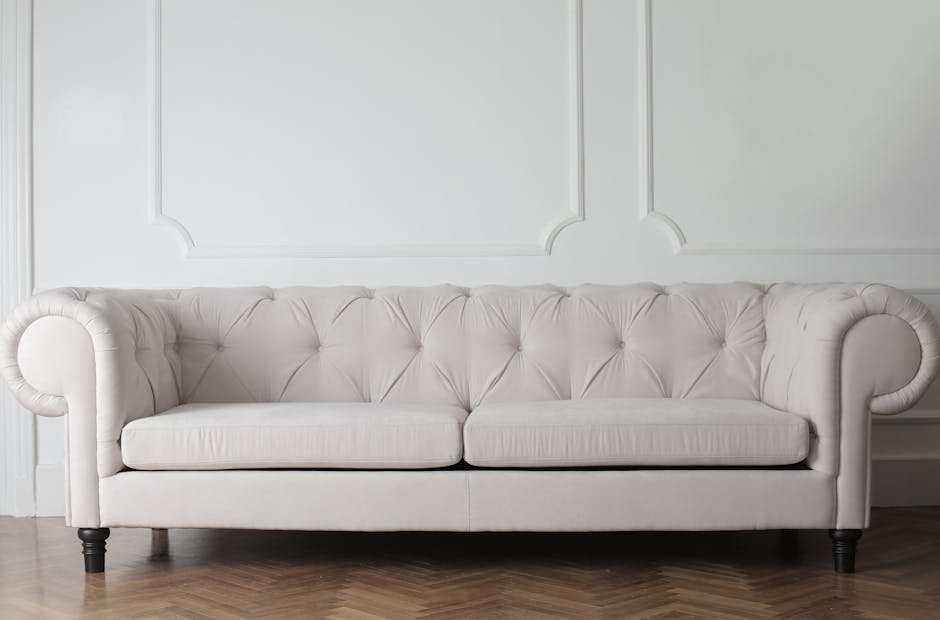
A family living in a well-used sitting room noticed their two-seater sofa had become dull along the arms and seat cushions. The fabric had general greying, a few drink marks, and the usual build-up you get from everyday life. Nothing dramatic, but enough that the room felt tired. The cushions also had a faint stale smell that was most obvious in the evening when the heating was on and the room was quiet.
Before cleaning, the main issues were:
- Visible body soil on the armrests
- Light staining on the seat area
- General dullness across the fabric
- Musty, lived-in odour from regular use
The cleaner inspected the fabric, vacuumed thoroughly, pre-treated the marks, and used a controlled upholstery cleaning method suited to the material. The armrests and front panels took the most attention, while the cushions were cleaned evenly to avoid patchiness. Drying was supported with airflow and the room was left ventilated.
After cleaning, the sofa did not become brand new, and that is an important honesty point. But the colour looked brighter, the seat area appeared fresher, and the overall room felt lighter. The family noticed the smell reduction more than they expected, actually. That tends to happen. People focus on stains, then the scent change ends up making the bigger difference day to day.
The useful lesson from this kind of case is simple: the best before-and-after results come from a combination of suitable fabric care, realistic expectations, and proper aftercare. If the furniture is structurally sound, cleaning can often push it back into comfortable, presentable use without the cost of replacement.
Practical Checklist
Use this quick checklist before booking or tackling upholstery cleaning yourself.
- Check the fabric label or note any care instructions you can find
- Identify the main issues: stains, odours, pet hair, dullness, or all of the above
- Decide whether the item is suitable for wet cleaning or needs a gentler method
- Remove loose cushions, blankets, and small items from the area
- Vacuum the sofa thoroughly before any spot treatment
- Test any product on a hidden area first if you are cleaning at home
- Plan for drying time and room ventilation
- Avoid sitting on the sofa until it is properly dry
- Ask what aftercare is recommended
- Consider whether you also need carpet or domestic cleaning at the same time
Expert summary: the best upholstery cleaning results usually come from careful inspection, targeted stain treatment, the right cleaning method for the fabric, and patient drying. Simple, but not always easy. That's the truth of it.
Conclusion
A good Sofa and upholstery cleaning Canbury before and after case study is useful because it shows the real value of professional fabric care without dressing it up. You can see what changes, what stays the same, and why the method matters almost as much as the result. For homes and landlords in Canbury, upholstery cleaning is often one of those small decisions that has a bigger visual and practical payoff than expected.
Whether you're preparing a property, refreshing a family room, or simply trying to bring a favourite sofa back to life, the key is to choose the right approach and work with realistic expectations. If the fabric is suitable and the stains are treatable, the difference can be genuinely satisfying. Not perfect, maybe, but much better. And sometimes that's exactly what the room needed.
If you're ready to compare options, explore the service pages, check the practical details, and think through the timing. A bit of planning now can save a lot of faff later.
Get a free quote today and see how much you can save.