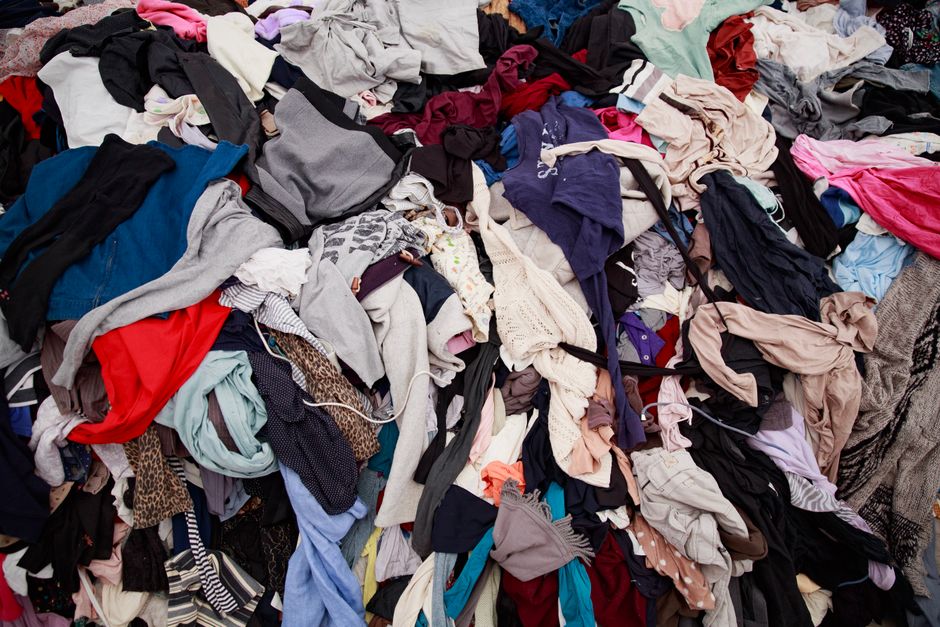
Council recycling rules for textile waste in Kingston explained
If you have ever stood in front of a bag of old clothes, torn towels, or worn-out bedding and wondered what on earth to do with it, you are not alone. Textile waste is one of those things that looks simple until you try to get rid of it properly. The rules can feel fuzzy, especially when you are trying to follow council recycling guidance and avoid putting the wrong item in the wrong bin.
This guide on Council recycling rules for textile waste in Kingston explained breaks everything down in plain English. We will cover what counts as textile waste, how council recycling usually works, what to do with usable versus damaged items, where people tend to go wrong, and how to handle bulkier fabric items without creating a headache for yourself. To be fair, most mistakes happen because people are trying to do the right thing quickly.
Along the way, you will also find practical examples, a checklist, a comparison table, and a few no-nonsense tips that make day-to-day disposal much easier. And if you are managing a property, a flat move, or a regular clean-up, there are a couple of sensible ways to keep the textile pile from sneaking up on you again.
Expert summary: The safest approach is usually to separate reusable textiles from damaged ones, keep textiles clean and dry, and only use council recycling routes or collection methods that are actually accepted for the item in question. When in doubt, treat heavily soiled or contaminated fabric as something that may need a different disposal route.
Why council recycling rules for textile waste in Kingston matter
Textiles are easy to underestimate. A single bag of old T-shirts, frayed towels, curtains, or bed linens might not feel like much, but over a month it can become a surprising amount of waste. In homes, flats, offices, and shared buildings, textiles also take up storage space fast. Once you start stacking them in a cupboard or hallway, the pile has a way of becoming an ongoing nuisance. You know the scene.
The reason council recycling rules matter is simple: textiles are not all handled the same way. Some items can be reused, some can be recycled, and some need disposal as general waste if they are too contaminated or in too poor condition. If you guess, you risk putting the wrong thing in the wrong stream, which can lead to rejected loads, messier collections, and more waste than necessary.
For Kingston residents, the practical value is in knowing the difference between usable clothing, clean household textiles, and non-recoverable fabric waste. That distinction saves time and helps you keep good items in circulation. It also supports wider sustainability goals, which is why Kingston businesses and households often look at their wider habits too. If you are improving your everyday waste routines, it can be useful to look at our recycling and sustainability approach as part of a bigger housekeeping mindset.
Key point: Textile waste is not just "old fabric". It can be reusable, recyclable, or residual waste depending on condition, cleanliness, and the local collection route available.
A final reason this matters is cleanliness and safety. Wet, mouldy, or heavily contaminated textiles can cause odours and attract pests if they are left around too long. That is not a glamorous subject, admittedly, but it is a very real one in busy households and rental properties.
How council recycling rules for textile waste in Kingston explained works
The basic idea behind textile recycling rules is that the council wants the right materials to go into the right route. In practice, that usually means you start by checking whether the item is still wearable or reusable. If it is, it may be better donated or passed on rather than recycled. If it is worn out but clean, it may be suitable for textile recycling. If it is dirty, damp, contaminated, or damaged beyond recovery, it may need to go in general waste or be handled separately.
Here is the simple version:
- Sort by condition. Separate wearable items from broken or stained ones.
- Keep textiles clean and dry. Dry material is far more likely to be accepted for recycling or reuse.
- Check the local collection method. Council rules can differ depending on whether the item is going into a textile bank, a reuse point, a household collection, or a residual waste bag.
- Bag items securely. Loose fabric tends to get wet, blown around, or tangled in other waste.
- Use the right route for bulky fabric items. Curtains, duvets, mattress protectors, or upholstery offcuts may not be handled the same way as clothing.
That "right route" part is where people often get caught out. A torn jumper is very different from a paint-splattered dust sheet, and both are very different from an old sofa cover. If you are dealing with anything that came from a larger cleaning or clearance job, it may be worth thinking about the item in context rather than treating all fabrics as identical. For example, after a deep clean or move-out, textile waste often turns up alongside general clutter, and it helps to separate it early. If you are dealing with the sort of property reset where items pile up quickly, our deep cleaning and move-out cleaning pages are useful for understanding how broader tidy-up work can support better waste sorting.
The other thing to understand is that council recycling is usually about accepted material streams, not just good intentions. A clean towel and a mouldy towel are not the same thing in recycling terms. One may have a second life. The other may just become a disposal problem. Not ideal, but there it is.
Key benefits and practical advantages
Getting textile waste right is not only about rules. It also makes life easier in ways people do not always expect until they try it properly for a few weeks.
- Less clutter at home: Old fabric does not linger in spare rooms, cupboards, or utility spaces.
- Better recycling outcomes: Clean, separated textiles are more likely to be reused or recycled.
- Lower contamination risk: Mixing fabric with food waste, liquids, or dirty rubbish can spoil a whole bag.
- Faster clear-ups: When clothes and linens are sorted early, collection day is simpler.
- Better for landlords and tenants: End-of-tenancy clear-outs are smoother when fabric waste is identified before the final sweep.
- Less odour and damp build-up: Especially important in older flats, basements, or rooms with poor airflow.
There is also a subtle benefit: once you build the habit, you stop treating textile waste like an afterthought. That sounds small, but over time it changes how you handle housekeeping. A bag of mixed waste becomes a sorted bag of fabrics, and then the whole job feels more manageable.
If you run a small business or manage a shared property, textile separation can also support broader housekeeping standards. A cleaner waste stream is easier to store, easier to move, and less likely to create complaints from residents or staff. For businesses with ongoing cleaning needs, it can sit neatly alongside commercial cleaning routines and regular building upkeep.
Who this is for and when it makes sense
This guidance is relevant to a lot more people than you might think. Yes, homeowners and tenants use it most often, but textile waste rules also matter for local businesses, landlords, facilities teams, and anyone who manages a property or shared space.
It makes particular sense if you are:
- clearing out wardrobes, drawers, or linen cupboards
- moving home and sorting unwanted belongings
- preparing a rental property for new occupants
- managing communal storage in flats or HMOs
- dealing with damaged curtains, bedding, towels, or soft furnishings
- handling fabric waste after renovations, decorating, or a large clean-up
- trying to reduce general waste and improve household recycling habits
There is a real difference between the person who is binning one old hoodie and the person clearing a whole spare room full of textiles after years of build-up. The first is straightforward. The second needs a bit more thought, especially if some items are reusable and others are only fit for disposal.
For example, a tenant finishing a lease may have a couple of clean blankets and old sheets that could be donated, alongside a stained mattress protector that probably should not be recycled. In a commercial setting, an office may be replacing fabric chairs, curtains, or soft furnishings, and then the question becomes whether those items can be reused, stripped, or cleared as part of a wider waste plan. If that sounds familiar, the broader context of office cleaning and communal area cleaning can help frame the job more neatly.
Step-by-step guidance
If you want a simple way to handle textile waste in Kingston without overthinking it, use this process. It is not fancy. It does work.
- Gather all textile items together. Put clothing, bedding, towels, curtains, and soft furnishings in one place so you can see what you are dealing with.
- Split them into three groups. Reusable, recyclable, and non-recoverable.
- Check for contamination. Anything with mould, heavy grease, chemicals, or bodily fluids may need different handling.
- Remove non-textile parts. Zips, batteries, hooks, rigid foam, and plastic fixtures can complicate recycling. If they can be removed safely, do that.
- Keep the good stuff separate. Wearable or usable textiles should not be mixed with damaged waste.
- Bag items neatly. A tied bag is usually easier to handle than loose bundles.
- Use the council-accepted route. Follow the correct local collection or drop-off option for the item's condition.
- Record anything unusual. If you are managing a property or business, note what was disposed of and how. Handy later, when memory gets fuzzy.
A real-life example: after a long winter clear-out, a family in Kingston might sort old jumpers, guest towels, and worn bedding into reusable and recyclable piles. The jumpers in decent condition go to reuse. The clean, worn-out towels may be suitable for textile recycling. The stained, damp duvet cover, on the other hand, needs a different decision. That little bit of sorting saves a lot of guesswork at the kerbside.
If you are doing this after a deeper clean, you may also find household soft items mixed in with dust, debris, or general rubbish. That is where a sensible approach to the whole job helps. A property refresh after guests or a tenancy turnover can get messy fast, so combining waste sorting with a structured clean, such as end of tenancy cleaning or one-off cleaning, often makes the process feel less chaotic.
Expert tips for better results
Here are the small habits that make the biggest difference. Nothing dramatic. Just the kind of things that stop an ordinary tidy-up from turning into a scrap pile in the corner.
- Keep textiles dry from the start. Once fabric gets damp in a bag, smells develop quickly.
- Do a quick pocket check. It is amazing how often tissues, coins, receipts, or small items show up in clothing piles.
- Wash or shake out items where possible. Clean textiles are more useful for reuse and easier to sort for recycling.
- Do not overfill bags. Heavy bags split, and split bags are annoying for everyone involved.
- Separate bulky household fabrics early. Curtains, throws, and duvet covers tend to need more attention than basic clothing.
- Keep reusable textiles visible. If they are buried under damaged items, they are much more likely to be thrown out by mistake.
- Use a staging box or basket. It sounds domestic, almost old-fashioned, but it works beautifully.
One practical tip that gets overlooked: if you are clearing a whole room, create a "maybe" pile. Not everything needs an immediate decision. Some items are too good to waste but not good enough to keep without a second look. That small pause can save perfectly useful textiles from ending up in the wrong bin.
For anyone running regular home maintenance, this sort of sorting becomes easier when tied to a routine. If you are already in the habit of regular cleaning, you can quietly add textile review to the checklist every few months rather than leaving it all for one huge session. Small and steady beats heroic chaos. Every time.
Common mistakes to avoid
Most textile disposal problems come from a few predictable mistakes. The good news is they are easy to avoid once you know what to look for.
- Putting everything into general waste. This is the most common shortcut, but it throws away reusable material and adds unnecessary rubbish.
- Mixing clean textiles with contaminated ones. One bad item can ruin the whole bag.
- Leaving textiles damp. Damp textiles smell, degrade, and can become unpleasant very quickly.
- Assuming all fabrics can be recycled. Not true. Some materials and conditions are excluded.
- Forgetting about bulky fabric items. Things like cushions, covers, or curtains may need separate handling.
- Stuffing items into the wrong collection stream. If the council route does not accept the material, the bag may be rejected or rerouted.
Another subtle mistake is treating stained textiles as recyclable without checking how badly contaminated they are. A little wear and tear is one thing. Heavy contamination is another. The line can be a bit fuzzy, I know, but that is exactly why sorting carefully matters.
When textile waste is part of a larger clear-out, it also helps not to leave the sorting until the very end. By then you are tired, the room looks worse than it did an hour ago, and somehow everything gets put in "just get rid of it" mode. We have all been there. Not ideal, but human.
Tools, resources and recommendations
You do not need much kit to handle textile waste properly, but a few simple tools help more than people expect.
- Three labelled bags or boxes: one for reuse, one for textile recycling, one for disposal.
- Gloves: useful for dusty loft items, old linen, or anything being sorted after a long while.
- Marker pen or labels: especially helpful in busy households or shared properties.
- Vacuum or lint roller: handy if items need a quick clean before reuse.
- Storage tote or basket: good for collecting textiles until you are ready to sort them.
For a practical next step, it helps to make textile sorting part of your wider waste and cleaning routine rather than a one-off rescue mission. That is especially true if your household has a lot of linens, soft furnishings, or seasonal clothing turnover. If you are dealing with heavier household refresh work, the company's house clearance page may also be useful for understanding how bigger clear-outs fit into the wider picture.
If the item is a curtain, rug, sofa cover, or upholstered piece, you may also want to think about whether it is part of a cleaning or replacement decision. Sometimes a deep clean makes more sense than disposal. Sometimes it does not. That judgement call is where experience matters, and a little common sense goes a long way. If you are unsure, start with condition first, not convenience.
Law, compliance, standards and best practice
Textile waste is not usually the sort of topic people associate with compliance, but there are still clear best-practice principles. At a practical level, households and businesses are expected to dispose of waste responsibly, avoid contamination, and follow local collection rules. For businesses, there is usually a stronger expectation to separate waste streams sensibly and avoid mixing recoverable materials with general rubbish.
The safest way to think about compliance is this: do not assume acceptance. If an item is dirty, wet, contaminated, or made from mixed materials, it may not be suitable for textile recycling even if it still looks like fabric. Councils and collectors may apply different criteria to different items, and those rules can change over time. So, while the principles stay stable, the exact collection method can vary.
Best practice in Kingston should therefore include:
- keeping textile waste separate from food, chemicals, and liquid waste
- checking whether an item is reusable before treating it as waste
- storing fabrics in a dry, secure condition until disposal or collection
- following the accepted local route rather than guessing
- keeping larger clear-outs documented if you manage a property or business
For commercial premises, this can sit alongside cleaning and safety systems. A sensible approach to waste handling complements site hygiene, staff welfare, and general operational order. If you are reviewing overall site standards, the company's health and safety policy and insurance and safety information can help frame how responsible operations are presented.
Options, methods and comparison table
Not every textile item should be treated the same way. Here is a simple comparison to help you choose the right route more confidently.
| Option | Best for | Pros | Watch out for |
|---|---|---|---|
| Reuse or donation | Clean, wearable clothes; usable linens; decent household textiles | Extends item life and reduces waste | Must be in good condition and acceptable to the recipient |
| Textile recycling | Clean but worn-out fabrics, such as old clothing or towels | Reduces landfill use and recovers material | Not all fabrics or mixed materials are accepted |
| General waste | Heavily contaminated, mouldy, or non-recoverable textiles | Simple when recycling is not suitable | Should be a last resort for clean, reusable items |
| Bulky waste route | Large fabric items or soft furnishings that do not fit normal collection methods | Helpful for bigger clear-outs | Rules can vary, and some items need special handling |
The right answer often depends on the item's condition, not just its category. A clean cotton sheet and a paint-streaked one are not interchangeable. Nor are a crisp set of curtains and a mouldy storage blanket from the back of a cupboard. Small difference, big consequence.
Case study or real-world example
Here is a realistic example based on the kind of situation people often face in Kingston.
A family is preparing a spare bedroom for a new lodger. Over the years, the room has become a holding space for old bedding, odd towels, outgrown clothes, and a few damaged curtains. The first instinct is to scoop everything into black bags and move on. Quick, yes. Efficient, not really.
Instead, they spend twenty minutes sorting. Clean but unwanted clothes go into a reuse pile. Worn-out but clean towels and sheets are set aside for textile recycling. A damp curtain and a stained mattress cover are kept separate because they are not suitable for the same route. They then bag the categories clearly and store them until collection day. The room is easier to finish, the waste is cleaner, and the pile does not mysteriously return three weeks later. That last bit happens more often than anyone likes to admit.
In a similar commercial situation, a small office replacing fabric blinds or soft furnishings may need a more structured plan. The textiles are not just "rubbish"; they are part of a workplace tidy-up that also needs attention to layout, storage, and final clear-down. That is where a broader cleaning schedule can support better waste sorting, especially if the premises are also undergoing after builders cleaning or a final reset before reopening.
Practical checklist
Use this checklist before you dispose of textile waste in Kingston:
- Have I separated reusable textiles from damaged ones?
- Are the items clean and dry?
- Have I checked for mould, grease, chemicals, or bodily fluids?
- Have I removed obvious non-textile parts where safe to do so?
- Am I using the right collection or disposal route for this item?
- Are bulky items being handled separately if needed?
- Have I labelled the bags or boxes clearly?
- Have I avoided mixing textile waste with food or general rubbish?
- Have I checked whether any item could be donated or reused first?
- Am I confident this is the correct local route, or do I need to double-check?
Quick reassurance: If you get the order right, the rest is usually much easier than it looks.
If you are managing a larger property refresh, it can help to align textile sorting with your overall cleaning plan. A tidy process keeps the room calm, and honestly, it saves a lot of back-and-forth. No one enjoys carrying the same bag around twice.
Get a free quote today and see how much you can save.
Conclusion
Textile waste is one of those household jobs that rewards a little care. If you separate reusable items, keep fabrics clean and dry, and follow the correct council recycling route, you will usually avoid the common problems that trip people up. The process is not complicated, but it does ask for a bit of judgement.
That is really the heart of Council recycling rules for textile waste in Kingston explained: know the condition of the item, choose the right route, and do not lump everything together just because it is easier in the moment. A small amount of sorting now saves a larger mess later, and it keeps useful fabric out of the wrong bin.
Whether you are clearing a wardrobe, resetting a rental, or just trying to become a bit more organised about waste, the habit is worth building. One bag at a time. One sensible decision at a time. It adds up, and that part feels good.
Frequently Asked Questions
Can I put old clothes in the council recycling bin in Kingston?
Not always. It depends on the council collection route and the condition of the clothes. Clean, wearable items are usually better reused or donated, while worn-out but clean textiles may be recyclable if accepted locally.
What should I do with stained towels or bedding?
If they are heavily stained, damp, mouldy, or contaminated, they may not be suitable for textile recycling. Clean but worn items may be recyclable, but badly soiled textiles are often treated differently. The safest move is to keep them separate and check the accepted route.
Are curtains classed as textile waste?
Yes, curtains are textile waste, but they are often bulkier and may need a different disposal method from ordinary clothing. If they are clean and in good condition, reuse is worth considering first.
Can damaged fabric go into general waste?
Sometimes yes, especially if it is contaminated or not accepted for recycling. But if the fabric is clean and recyclable, it is better to use the textile route rather than general waste.
Do I need to wash clothes before recycling them?
They do not need to be spotless, but clean and dry items are far more suitable for reuse or textile recycling. Damp or dirty fabric can create odour and contamination issues.
What about shoes, bags, and accessories?
These are not always treated the same way as clothing. Some may be accepted through separate reuse or recycling channels, while others may need general waste. Mixed-material items are especially tricky.
Can I recycle textiles after a house move or tenancy change?
Yes, and that is one of the most common times people deal with them. Move-outs often uncover old bedding, towels, curtains, and clothes that should be sorted before the final clean-up.
What is the best way to store textile waste before collection?
Keep it dry, bagged, and separated by type or condition. If possible, store reusable textiles apart from recycling and disposal items so nothing gets mixed by mistake.
Why won't the council take every textile item?
Because some fabrics are contaminated, mixed with non-textile materials, or too damaged to be processed properly. Recycling systems rely on material being suitable for recovery.
Is it better to donate or recycle old textiles?
If the item is clean and usable, donation or reuse is usually the better first option. Recycling is a good second step for worn-out but clean textiles. General waste should usually be the last resort.
What should landlords do with textile waste left behind by tenants?
Sort it carefully before disposal. Reusable items can sometimes be donated, while worn or damaged textiles should be separated by condition. For larger clear-outs, a structured approach saves time and avoids needless waste.
Can textile waste create odours or hygiene issues?
Absolutely. Damp or dirty textiles can smell quickly, especially in warm rooms or enclosed spaces. If you are holding items before disposal, keep them dry and contained so they do not become a bigger problem.
And if the pile feels a bit much, that is normal. Start with one bag, one shelf, one drawer. That is often enough to get the whole job moving.